
"moka grind"
300 article(s) found

Yega Xuefei Water washing G2G1 Flavor Solar treatment Coffee Bean description roasting record Origin introduction
The coffee trees of Yegasuefi in Ethiopia were planted by European monks (a bit like Belgian monks growing wheat to brew beer), and were later transferred to farmers or cooperatives. Yejassefi is actually constructed by surrounding coffee communities or cooperatives, including Edido Idido, Hafusha Harfusa and Hama Hama near Fog Valley Misty valley.

Yemeni mocha coffee sunbathing Mattari brewing water temperature how to drink Yemeni mocha coffee
For more information on coffee beans, please follow the Coffee Workshop (official Wechat account cafe_style). Yemeni coffee is immediately reminiscent of the magical sun-dried beans that taste thick and full, and the fantastic wild aroma of fermented tea is stacked on stacks, full of mystery, elusiveness and infinite longing like the country of Yemen. Yemen is located in Ethiopia across the Red Sea and East Africa in Asia.

Can drip coffee make grease?-how to use a drip coffee pot
First, pour out the stale water in the machine, second, clean the pipes of the boiler and cooking system, third, clean the coffee funnel, and fourth, preheat the coffee pot. Put a matching piece of filter paper inside the funnel of the coffee machine, press each cup of 7mur9g coffee powder into the filter paper (be careful that the coffee powder enters the filter paper and the wall of the funnel), and close the funnel door. Press 175 cents per cup

Take inventory of coffee and utensils! I want trendy coffee utensils that others don't have.
What do you want? Just coffee. Black-like my soul. Cassandra Clare, City of Bones you must be familiar with coffee brewing methods, such as hand brewing, siphon, ice droplets and so on, but have you ever seen all kinds of advanced and novel brewing utensils? We are international fans, follow the editor to check the novelty and fun.

Is Honduras litchi orchid coffee good? litchi orchid coffee bean flavor description wine chocolate
Professional coffee knowledge exchange more coffee bean information please follow the coffee workshop (Wechat official account cafe_style) Front Street-Honduras Lizhi Orchid introduction Honduras is a mountainous country in Central America, located between the Pacific Ocean and the Caribbean, bordering Guatemala, El Salvador and Nicaragua. Belongs to the tropical climate, the annual average temperature is 23 ℃. There is plenty of rain all year round. It's coffee.
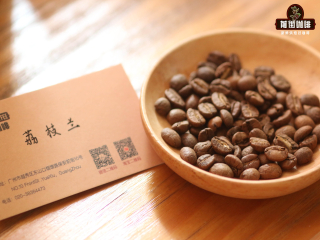
Introduction to the characteristics of litchi orchid coffee treated by fermentation in Honduran litchi orchid coffee bean flavor wine barrel
Professional coffee knowledge exchange more coffee bean information please follow coffee workshop (Wechat official account cafe_style) ▲ click to follow | focus on coffee roasting 6 years more boutique coffee beans please add private Wechat Qianjie, WeChat: (long click to copy) qiannjie just shared about this Li yesterday.

How to use the ground coffee powder? can the coffee powder be brewed directly? how can the coffee powder be cooked to taste good?
Professional coffee knowledge exchange more coffee bean information Please follow the coffee workshop (Wechat official account cafe_style) We are often faced with the choice of coffee beans and coffee powder when buying coffee. About 70% of the coffee products on the market are powdered coffee. The advantage of coffee powder is easy to use and easy to brew. And the simple coffee extraction method which is very popular nowadays
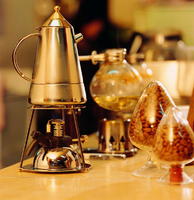
Strategies for brewing coffee-what's the difference between different brewing methods?
Siphon pot (Syphon) is one of the most popular coffee brewing methods in cafes. Principle of siphon pot: under the combustion of alcohol lamp, when the water temperature in the lower container reaches 92 ℃, the water is sucked into the upper container with coffee powder, and after soaking and stirring, the coffee is returned. Suitable for coffee: slightly sour, medium-bodied coffee. Degree of grinding: slightly thicker than powder

Yemeni coffee map Yemeni famous coffee bean mocha flavor characteristics Yemen mocha coffee bean price list
Professional coffee knowledge exchange more information about coffee beans Please follow the coffee workshop (Wechat official account cafe_style) for lovers who dabble in coffee slightly, when it comes to Yemeni coffee beans, it is easy to think of mocha. Yemen has a long history of growing coffee. By the early 17th century, Yemeni coffee beans began to be exported to Europe from the southwestern port of Mocha, and Europeans began to export them.

The common way to brew coffee in cafes is to siphon the hand into the mocha pot.
Siphon pot (Syphon) is one of the most popular coffee brewing methods in cafes. Coffee principle: under the burning of alcohol lamp, when the water temperature in the lower container reaches 92 ℃, the water is sucked into the upper container with coffee powder, and after soaking and stirring, the coffee is returned. Suitable for coffee: slightly sour, medium-bodied coffee. Degree of grinding: slightly thicker than powder, then

Easy pot espresso grinded Starbucks coffee powder is the best way to cook?
Professional coffee knowledge exchange more coffee bean information Please follow the coffee workshop (Wechat official account cafe_style) Bailetti star anise pot finally arrived in the afternoon of the 20th, waiting for more than two months of course, the general store or auction can buy, but most of them are relatively old, but also more expensive than mine, this seller is I found in YPai, because she lives in Italy, so from when

A brief introduction to the treatment method of grinding degree and baking degree of spicy Yemeni boutique coffee beans
The characteristics of Yemeni coffee: the taste of Yemeni mocha is complex and changeable, and how to bake the best flavor of Yemeni mocha is a challenge for coffee roasters. Medium and shallow roasting shows sweet fruit, mild, warm sun-fermented flavor; deep baking shows a strong aroma of red wine, bitter sweet chocolate finish. Flavor: exotic, slightly alcoholic, spicy and exciting, different, must be tasted
How to "make" delicious coffee at home
First of all, we would like to introduce what is called "brewing" coffee. Boil-put something in water and boil it over fire. But the "boil" of brewing coffee is the process of "washing" the taste of the coffee with 92Mui 96 degrees water. So many people will misunderstand this word. If you really put the coffee into the water to "brew", the drink you get will no longer be a cup of coffee, but a cup of scorched taste.

Why is Yemen producing so little coffee? What are the flavor characteristics of Yemeni coffee?
Professional coffee knowledge exchange More coffee bean information Please pay attention to coffee workshop (Weixin Official Accounts cafe_style) Yemen is located in West Asia, only one step away from the African continent. Coffee would still be a wild plant in Ethiopia if it were not for the Islamic priests who popularized it in Arabia. Coffee is said to have been introduced during Ethiopian rule in the sixth century and to have been

A brief introduction to the treatment method of grinding degree and baking degree of Yemeni boutique coffee beans with unique flavor
The origin of these trees is Ethiopia. Yemen is the first country in the world to produce coffee on a large scale as a crop. Today, Yemeni coffee farmers still produce coffee in the same way as they did 500 years ago. Coffee berries grow naturally on trees, without any artificial fertilizers or pesticides, receive a small amount of rain and fog on the hillside in summer, blossom and bear fruit.

A brief introduction to the treatment method of grinding degree and baking degree of Yemeni high-quality coffee beans with complete grain shape
The characteristics of Yemeni coffee: the taste of Yemeni mocha is complex and changeable, and how to bake the best flavor of Yemeni mocha is a challenge for coffee roasters. Medium and shallow roasting shows sweet fruit, mild, warm sun-fermented flavor; deep baking shows a strong aroma of red wine, bitter sweet chocolate finish. Flavor: exotic, slightly alcoholic, spicy and exciting, different, must be tasted
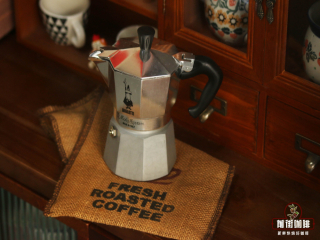
What kind of coffee beans can boil oil from a mocha pot? Mocha pot using the tutorial Coffee Powder Grinding thickness
Professional coffee knowledge exchange more coffee bean information please pay attention to the coffee workshop (Wechat official account cafe_style) the difference between hand mocha and Italian mocha coffee flavor and characteristics mocha pot is suitable for deep roasting and fine grinding of coffee beans, the use of boiling hot water vapor pressure, extraction close to the espresso style

The treatment of Coffee Fruit: the difference between semi-washing and washing
The exchange of professional baristas please pay attention to the coffee workshop (Wechat official account cafe_style) Coffee fruits produced in different countries and regions have different harvest time, usually when the coffee fruit is bright red when the flower is about 78 months thick, which is called coffee cherry (coffee cherries). The definition of treatment refers to the removal of the exocarp, pulp and endocarp of coffee cherry.

A Brief Introduction to the Processing Method of Grindness and Roasting Degree of St. Helena Coffee Beans Courted by Napoleon on His deathbed
The Island of St Helena was discovered on May 21, 1502 by Portugal Admiral Joao da Nova, who landed in what is now Jamestown and built a chapel. For more than 80 years, the Portugal kept the island secret, but used it as a resupply point for their East India fleet. HM, 1588